
A Step-by-Step Guide
Basmati rice is famous for its long grains, delicate aroma, and fluffy texture. When cooked properly, each grain remains separate and light, making it ideal for dishes like biryani, pulao, and everyday meals. However, many people struggle with rice that becomes sticky, mushy, or undercooked. Fortunately, cooking perfect basmati rice is simple when you follow the right method. In this guide, you will learn how to cook perfect basmati rice step by step, along with useful tips to ensure consistently fluffy rice every time.
Why Basmati Rice Is Special
Before we dive into the cooking method, it helps to understand why basmati rice is different from other types of rice. Basmati rice is known for its extra-long grains and natural fragrance. In addition, it expands significantly when cooked, which creates the light and fluffy texture many people love.
Moreover, basmati rice is commonly used in South Asian and Middle Eastern cuisines because it pairs beautifully with curries, grilled meats, and vegetable dishes. Therefore, learning how to cook it correctly can greatly improve your everyday meals.
Ingredients Needed
To cook perfect basmati rice, you only need a few simple ingredients:
- 1 cup basmati rice
- 1½ to 2 cups water
- ½ teaspoon salt (optional)
- 1 teaspoon oil or butter (optional)
Although these ingredients are simple, the technique and timing are what make the real difference.
Step 1: Rinse the Rice Thoroughly
First, place the basmati rice in a bowl and rinse it under cold water. Gently swirl the rice with your hand, then drain the water. Repeat this process three to four times until the water becomes mostly clear.
This step is important because rinsing removes excess starch from the rice. As a result, the grains will cook separately instead of sticking together.
Step 2: Soak the Rice
Next, soak the rinsed rice in clean water for 20 to 30 minutes. Although some people skip this step, soaking actually helps the grains absorb water before cooking.
Consequently, the rice cooks more evenly and expands to its full length. In addition, soaked rice tends to have a softer texture and a more pronounced aroma.
After soaking, drain the rice completely.
Step 3: Use the Correct Water Ratio
Using the right water ratio is one of the most important factors when cooking basmati rice.
Generally, the recommended ratio is:
1 cup basmati rice : 1½ cups water
However, if the rice is older or slightly drier, you may need up to 2 cups of water.
Using too much water can make the rice mushy. On the other hand, using too little water can leave the rice undercooked.
Step 4: Cook the Rice
Now it is time to cook the rice.
- Add water to a pot and bring it to a gentle boil.
- Add salt and oil if desired.
- Then add the soaked and drained rice.
- Stir once gently to prevent sticking.
After that, reduce the heat to low, cover the pot with a lid, and let the rice cook for about 10–12 minutes.
During this time, avoid lifting the lid frequently. Otherwise, the steam will escape and affect the cooking process.
Step 5: Let the Rice Rest
Once the water has been absorbed and the rice is cooked, turn off the heat. However, do not serve it immediately.
Instead, let the rice rest for 5 minutes with the lid closed. This allows the remaining steam to finish cooking the grains.
As a result, the rice becomes fluffier and more evenly cooked.
Step 6: Fluff the Rice Gently
Finally, use a fork to gently fluff the rice. This separates the grains without breaking them.
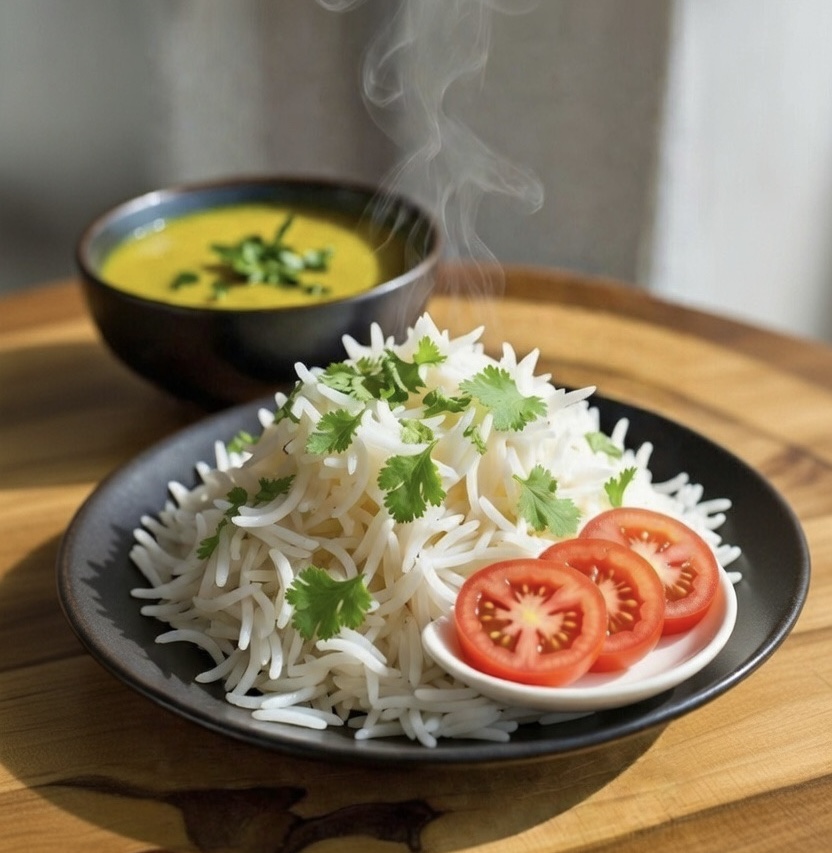
At this stage, the rice should appear light, fluffy, and aromatic, with long grains that remain separate from each other.
Common Mistakes to Avoid
Even though basmati rice is easy to cook, a few mistakes can affect the final result.
Skipping the rinsing step
Without rinsing, the rice may become sticky because of excess starch.
Using too much water
This is one of the most common reasons for mushy rice.
Cooking on high heat
High heat can cause the water to evaporate too quickly, leaving the rice unevenly cooked.
Stirring too often
Frequent stirring can break the delicate grains.
By avoiding these mistakes, you can consistently achieve perfect rice.
Tips for Extra Flavor
Although plain basmati rice is delicious on its own, you can also enhance its flavor with a few simple additions.
For example:
- Add whole spices such as cardamom, cloves, or bay leaves while cooking.
- Use vegetable or chicken broth instead of water for richer flavor.
- Mix in a small amount of ghee or butter for a fragrant finish.
These small adjustments can elevate simple rice into a more flavorful side dish.
Best Dishes to Serve with Basmati Rice
Perfectly cooked basmati rice pairs well with many dishes. For instance:
- Dal or lentil curries
- Vegetable curry
- Butter chicken or grilled meats
- Biryani and pulao
- Stir-fried vegetables
Because basmati rice is light and aromatic, it complements both mild and spicy dishes beautifully.
Final Thoughts
Cooking perfect basmati rice is easier than it seems. By rinsing the rice, soaking it properly, using the correct water ratio, and allowing the rice to rest after cooking, you can achieve fluffy and aromatic grains every time.
Once you master this simple technique, you will be able to prepare restaurant-quality basmati rice at home. Whether you are serving it with curries, lentils, or grilled dishes, perfectly cooked basmati rice can elevate any meal.
With a little practice and attention to detail, delicious and fluffy basmati rice can become a regular part of your everyday cooking.